RANGER PROTECTION AGENCY | IN-HOUSE OFFICER DEVELOPMENT
TRAINED THE
RANGER WAY.
Effective private security is built through hands-on instruction, realistic field preparation, experienced supervision, and continuous reinforcement of professional standards. At Ranger, developing our officers is part of delivering results for our clients.
EXPLORE OUR TRAINING →OUR PHILOSOPHY
WHAT BEING THE BEST MEANS TO US.
Like every business, Ranger wants exceptional officers and employees. But we don’t believe that excellence comes solely from hiring people who already know everything. We believe in developing our people through training, coaching, clear expectations, and practical experience — teaching officers the Ranger way.
Our clients have different needs. Some properties call for a firm, assertive security presence and consistent enforcement of property rules. Others benefit from an especially approachable, service-oriented style. We assess each officer’s strengths, judgment, communication skills, and personality to match officers to assignments where they can be effective.
Our goal isn’t to make every officer identical. It’s to build a capable team that understands each client’s expectations, acts professionally, and knows how to address problems without losing sight of safety, accountability, and the law.
We don’t just look for the best. We work to develop the best.
PERSON-TO-PERSON. OFFICER-TO-OFFICER.
HANDS-ON TRAINING.
REAL-WORLD APPLICATION.
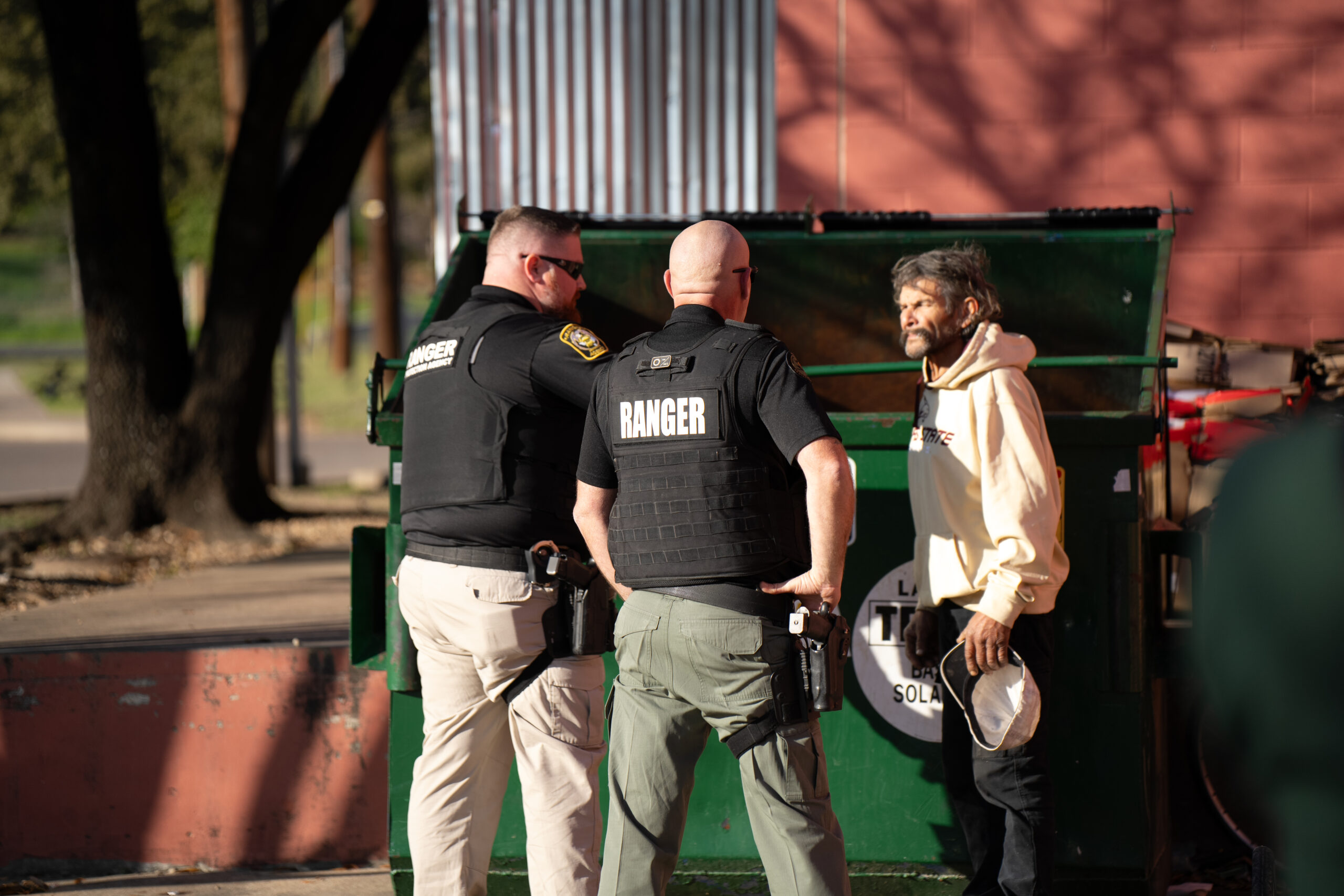
In-person instruction, supervised field experience, demonstrations, and practical discussion are central to how we develop Ranger officers. We focus on situations officers are likely to encounter at apartment communities, businesses, and commercial properties.
Professional public contacts, de-escalation, awareness of surroundings, judgment under pressure, patrol expectations, safety, and accurate documentation are reinforced through training and leadership in the field.
Online courses support that work. They are a useful way to reinforce policies and assigned subjects, but they are not a substitute for hands-on learning, coaching, and accountability.
OUR OFFICER DEVELOPMENT PRIORITIES
WHAT WE TEACH.
WHY IT MATTERS.
Our in-house training emphasizes professional standards and practical readiness for the environments Ranger protects. Specific instruction varies by role and assignment.
De-escalation & Conflict Resolution
Communication, listening, sound judgment, and approaches intended to reduce unnecessary confrontation while addressing property concerns.
Public Contacts & Professional Conduct
Respectful, confident interactions with residents, visitors, employees, and other members of the public.
Patrol Procedures & Property Awareness
Understanding assigned areas, recognizing recurring issues, following client instructions, and documenting conditions during patrol.
Officer Safety & Situational Awareness
Recognizing risks, maintaining safe professional boundaries, communicating developing concerns, and requesting help when appropriate.
Report Writing & Documentation
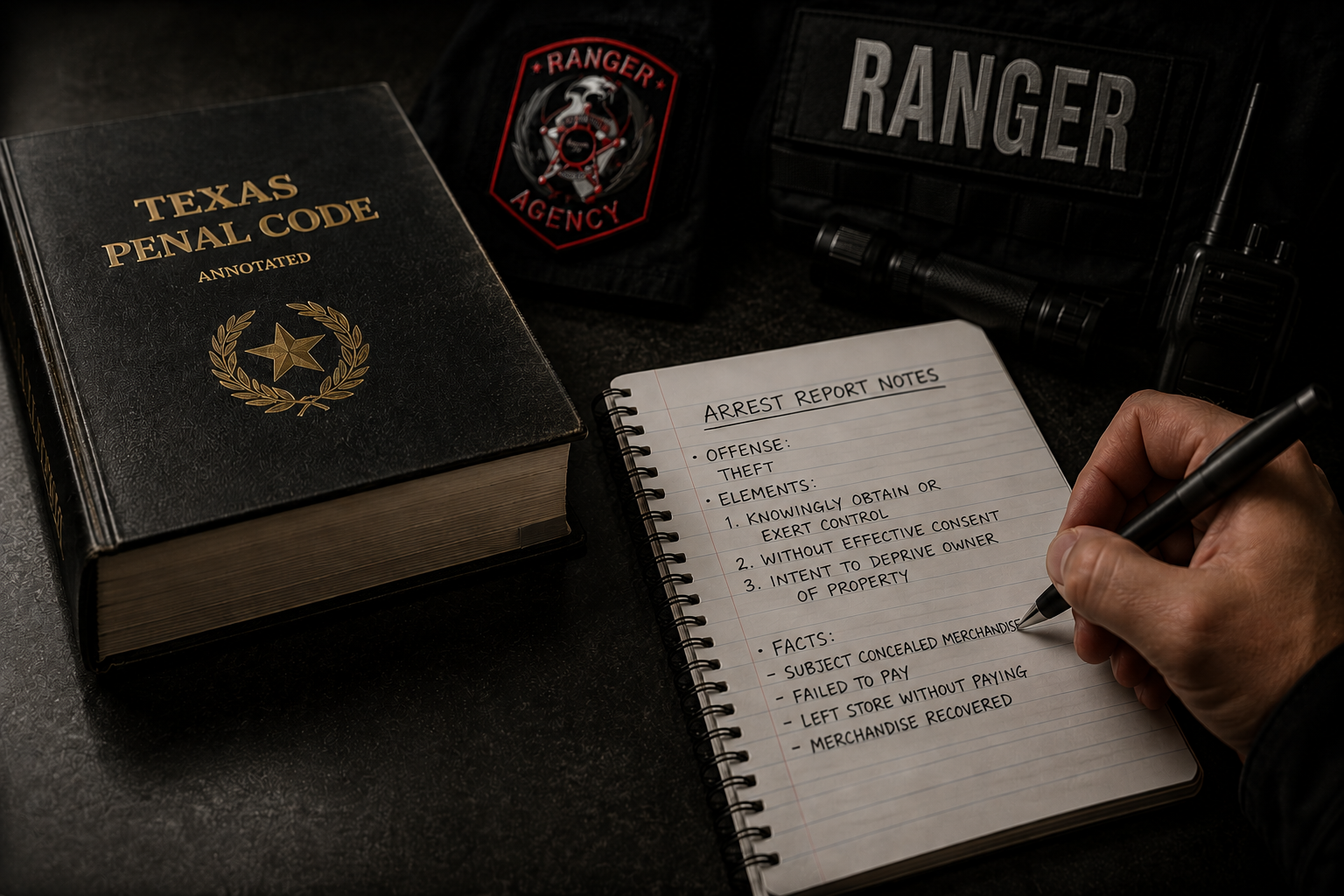
Clear, objective narratives, appropriate photographs, accurate details, and reports that help management understand what happened.
Weather & Environmental Safety
Preparing for heat, severe storms, poor visibility, overnight work, and other environmental challenges of field assignments.
Legal Boundaries & Property Rules
Applicable Texas law, criminal trespass concepts, client authorization, lease-related reporting, and recognizing the limits of officer authority.
Communication & Incident Response
Providing useful updates, contacting supervisors or emergency services when necessary, and making sound decisions about escalation.
TRAINING MEETS THE FIELD
KNOWLEDGE IS IMPORTANT.
APPLICATION IS EVERYTHING.
Good training must translate into consistent decisions, professional conduct, and meaningful documentation at the properties we serve.
STAY AWARE.
STAY PROFESSIONAL.
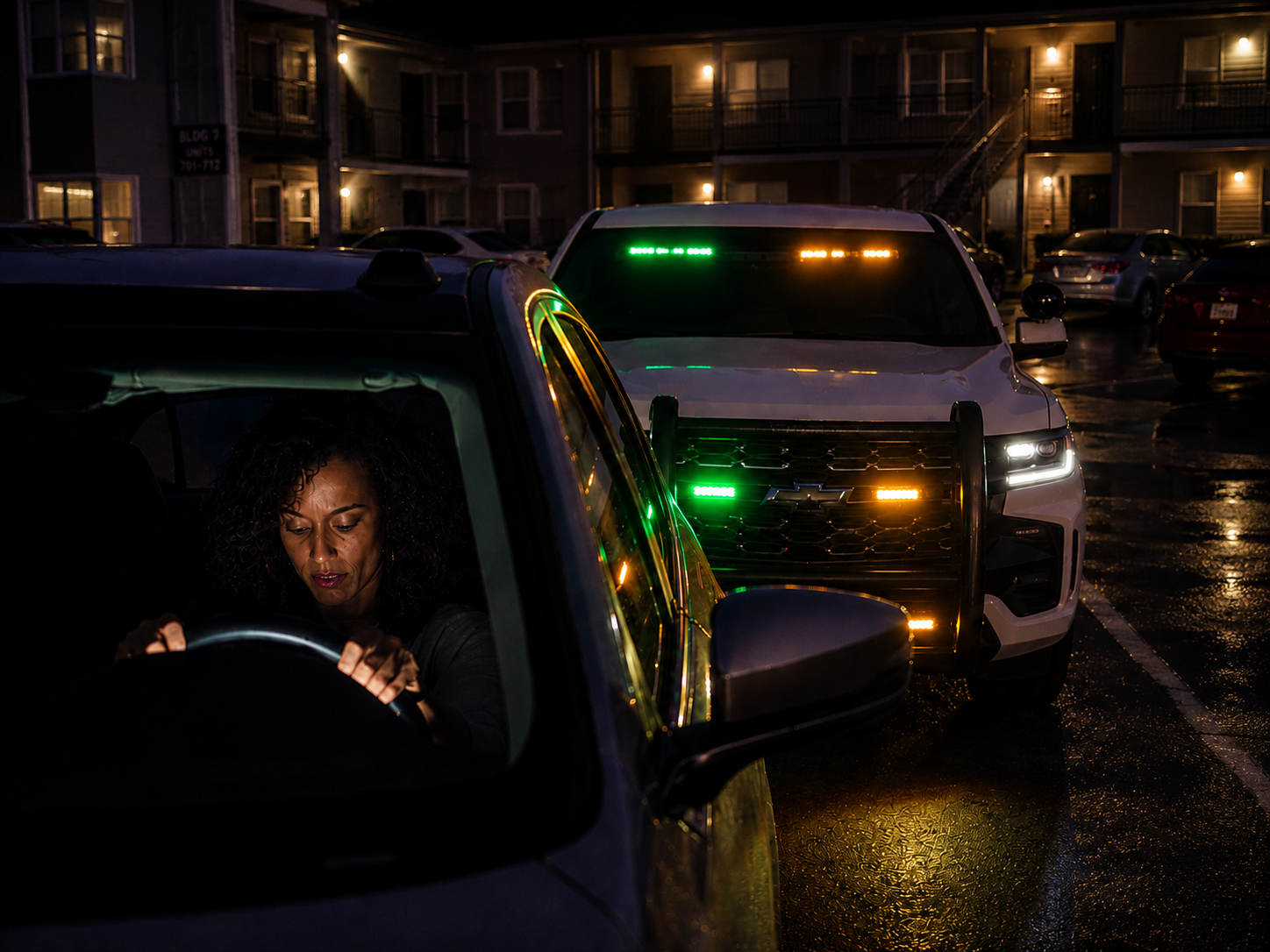
Officers work in changing conditions. Field training emphasizes recognizing risks, understanding the situation, maintaining clear communications, and making measured decisions.
LEGAL KNOWLEDGE AND ACCURATE DOCUMENTATION
KNOW THE LAW.
KNOW THE LIMITS.
Ranger trains officers to understand the legal and practical framework of their work, including relevant provisions of the Texas Penal Code, Code of Criminal Procedure, and Property Code, along with property rules and applicable lease provisions.
We also reinforce the importance of understanding TAA/NAA lease provisions where applicable, management instructions, property-specific rules, and the difference between documenting an issue, pursuing a management remedy, and requesting law enforcement.
Descriptions are simplified for public information. Actual officer action must comply with current law, client authorization, company policy, and the facts of each incident.
RESULTS-DRIVEN PROPERTY SECURITY
MORE THAN
OBSERVE AND REPORT.
Some property problems call for management follow-up rather than immediate police intervention. Ranger’s custom lease-violation documentation gives our officers a structured way to report alleged conduct that may violate a community’s rules or lease agreement.
These reports help property managers identify repeat issues, communicate with residents, and determine appropriate next steps under the lease and applicable law. They can create an intermediate accountability measure when an issue does not warrant an emergency law-enforcement response.
Ranger officers document and communicate the facts; property management determines lease enforcement and any resulting action. That distinction is part of operating professionally, respecting legal boundaries, and helping clients resolve problems instead of simply recording them.
CONTINUING OFFICER DEVELOPMENT
TRAINING DOESN’T END
AFTER THE CLASSROOM.
Hands-on training, supervision, coaching, and practical field experience remain central to Ranger’s standards. Assigned online learning supplements that instruction and gives authorized personnel access to additional training resources.
The online training portal is for Ranger officers and approved personnel. Specific training assignments vary by position and operational need. Internal lesson plans and sensitive field procedures are not published on this page.